
Instructions for Staff
To get the most out of this session, integrate the colouring
pages (from previous activity) with active discussion:
- Introduction:
Before handing out the colouring sheets, hold a brief circle-time discussion using
the prompts below. This sets a thoughtful tone for the activity.
- Guided
Creative Time: As children colour, circulate the room and ask individual
kids about the choices they are making. For example, ‘Why did you
choose those warm colours for the dog?’
- Annotation
Phase: Once the colouring is nearly complete, instruct children to add
text to their pages. This transforms the artwork into an educational
poster.
Expanded Discussion Prompts and Learning Points
What do dogs need to feel loved?
- Discuss
the difference between physical needs (food/water) and emotional needs
(feeling safe and part of a family).
- Key
Point: Love is shown through time and attention, not just treats.
How can people show dogs kindness?
- Focus
on body language and ‘Gentle Handling.’ Discuss why we should never
disturb a sleeping dog or shout near them.
- Key
Point: Respecting a dog's space is a primary form of kindness.
What responsibilities come with owning a dog?
- Explain
that a dog relies entirely on its owner for its quality of life.
- Key
Point: Responsibility includes the ‘not-so-fun’ parts, like cleaning
up after them and ensuring they get exercise even when it is raining.
Ideas: Adding the ‘Voice’ of the Dog
Encourage children to use speech bubbles or labels to show
they understand the dog’s perspective. This helps develop emotional
intelligence.
- The
‘Happy’ Bubble: Ask children to draw a speech bubble coming from the dog
that says, ‘I feel happy when you brush my fur gently’ or ‘I feel safe
when I have a quiet place to sleep.’
- The
‘Care’ Label: Children can draw arrows to different parts of the
picture. For example, an arrow to the dog's lead could be labelled, ‘My
owner helps me stay fit with daily walks.’
- The
‘Promise’ List: On the back of the page, children can write three ‘Promises
to Pets’—such as ‘I promise to always use a quiet voice’ or ‘I promise to
play every day.’
Suggested Categories for Recognition
Instead of judging based on artistic talent, recognise
children who demonstrate the best understanding of the theme:
- Most
Thoughtful Annotation: For the child who wrote the most empathetic
speech bubbles.
- Best
Representation of Kindness: For using colours or added details that
create a sense of calm and safety.
- Future
Responsible Owner: For the child who contributed the most insightful
points during the group discussion.
Extending the Impact
The ‘Care’ Display Organise the finished pages into a
‘Guide to Dog Care’ display in a communal area. This educates other groups
on how to interact safely and kindly with dogs they might meet in the
community.
Home Connection Encourage children to take their
finished work home to show their parents. This is particularly effective for
families who already have dogs, as it allows the child to ‘teach’ the family
the kindness points they learned in your setting.

Flash Cards
Building a strong bond with your dog is about much more than just having fun; it is a partnership built on mutual respect, patience, and understanding. When you take the time to learn what your dog enjoys and what makes them feel safe, you show them that they can rely on you. By being patient when they are learning and observant of their feelings, you create a deep, lasting friendship.
Ultimately, your dog wants to spend time with you because you are their source of comfort, guidance, and affection, and your consistent, gentle care makes you their favourite person in the world. Here is a summary of the ways to grow your special bond:
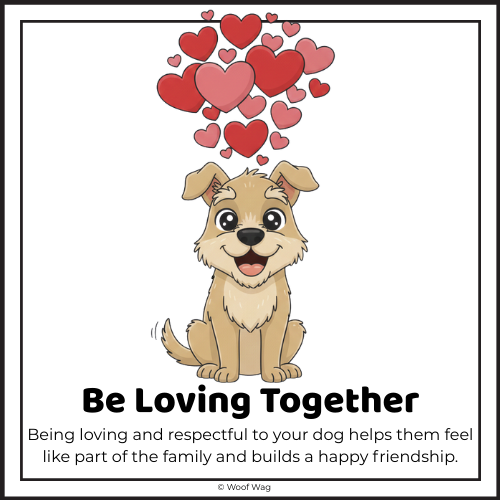
Be loving: Show your dog kindness to make them feel like a valued family member.
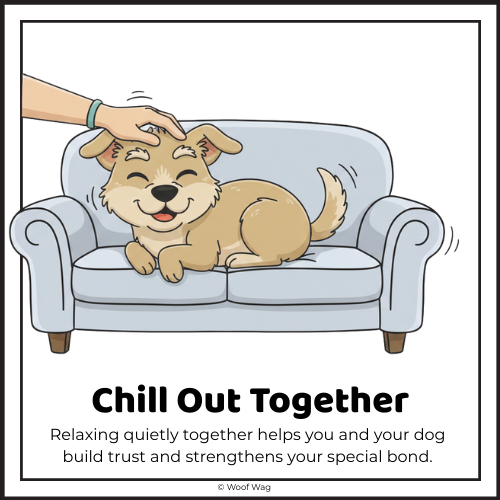
Relax together: Chill out quietly to build trust and feel close.
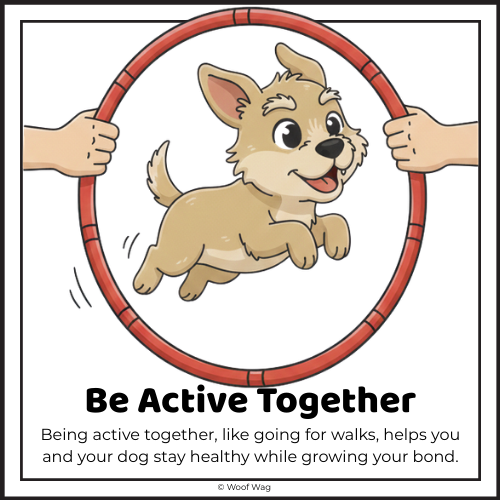
Be active: Play and walk together to keep you both fit and happy.
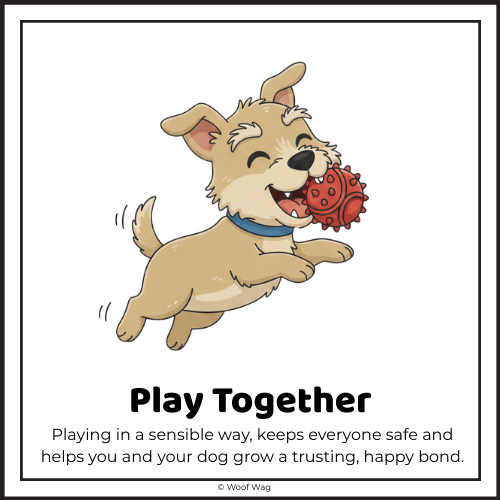
Play sensibly: Stick to gentle games so everyone stays safe and happy.
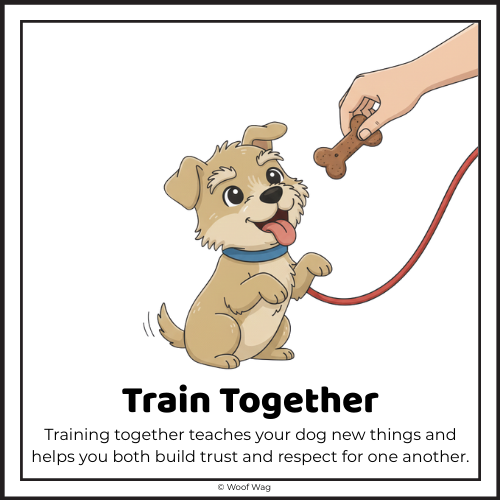
Train together: Learn new skills as a team to grow trust and respect.
Downloads
You can either click on each flash card to download that specific image (click image, save to your electronic device, and share/print). Alternatively, if you want all of the Doggie Bonds flash cards in one PDF file, click HERE to download.