Staying Safe Around Dogs
This activity focuses on ‘reading’ a dog's emotions to
ensure both the child and the dog stay safe. It teaches children that dogs ‘talk’
with their bodies, and understanding this language is the key to being a
responsible and safe friend to animals.
Instructions for Staff
The Visual Audit: Before starting the colouring or drawing, look at the dog on the page. Ask the children to identify specific physical traits: Are the ears up or down? Is the tail stiff or wagging? Is the mouth open or tightly shut?
The ‘Traffic Light’ System: Use a green, amber, and red system to help children categorise body language:
- Green: Relaxed and happy (Safe to ask to approach).
- Amber: Over-excited, nervous, or unsure (Give space).
- Red: Fearful, growling, or very stiff (Move away slowly).
Active Demonstration: Have the children mimic the postures (without making noise) to feel the difference between being ‘stiff and scared’ versus ‘loose and happy.’
Key Safety Messages and Examples
Dogs use body language to communicate Since dogs
cannot speak, every part of their body tells a story.
- The
Tail: A wagging tail doesn't always mean ‘happy.’ A fast, stiff wag
can mean a dog is agitated. A low, tucked tail means they are scared.
- The
Ears: Forward ears show interest; flat-back ears usually show fear or
submission.
Not all dogs like being touched Just like humans,
some dogs are shy or ‘grumpy’ today.
- Example:
A dog might be in pain or training.
- Key
Message: ‘If in doubt, stay out’ (of their personal space).
Always ask before approaching Even if a dog looks
friendly, the owner knows best.
- The
Rule: Ask the owner, then ‘ask’ the dog by letting them sniff your
hand from a distance—but only if the owner says yes first.
Using the Colouring Page for Analysis
While the children colour, ask them to identify these
specific ‘visual clues’ on their sheet:
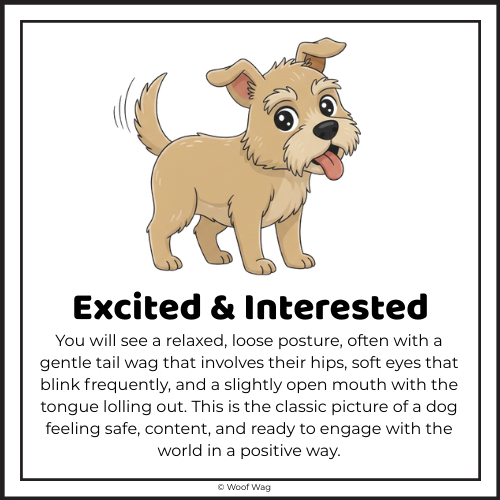
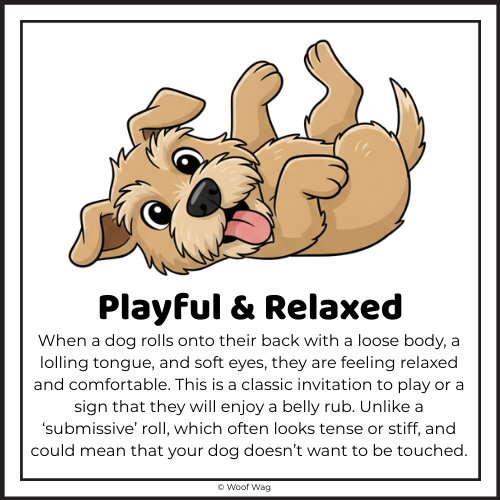
- Relaxed or Excited? If the dog has a ‘soft’ face and a loose body, it is relaxed. If it is jumping or has wide eyes, it is excited.
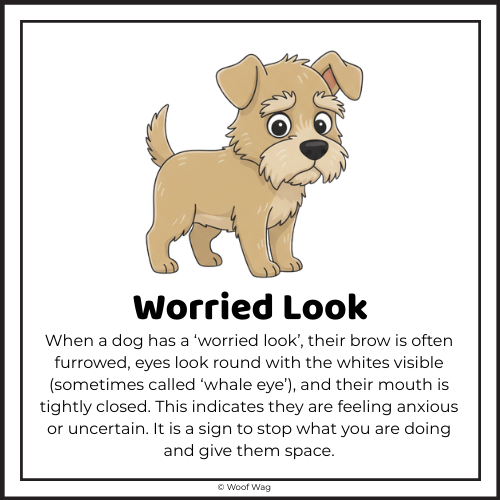
- The ‘Whale Eye’: If you can see the whites of a dog's eyes (like a crescent moon), the dog is often very stressed and needs space immediately.
- The ‘Freeze’: A dog that stands perfectly still like a statue is usually not ‘being good’—it is often very tense and worried.
Quick Activity: ‘Approach or Give Space?’
Read these scenarios to the group and ask them to vote by
either walking toward you (Approach) or taking a step back (Give Space).
- The
Sleepy Senior: ‘A dog is lying in its bed with its eyes closed and its
head down.’
- Answer:
Give Space. Never wake a sleeping dog; they might startle and snap.
- The
Wiggly Greeter: ‘A dog sees you, its body is wiggling like a noodle,
its tail is wagging low and loose, and its mouth is slightly open.’
- Answer:
Approach (but ask first). These are signs of a relaxed, friendly dog.
- The
Stiff Watcher: ‘A dog is standing very still, staring at you, with its
ears pointing sharply forward and its tail held high and frozen.’
- Answer:
Give Space. This dog is ‘on alert’ and might be protective or about to
bark.
- The
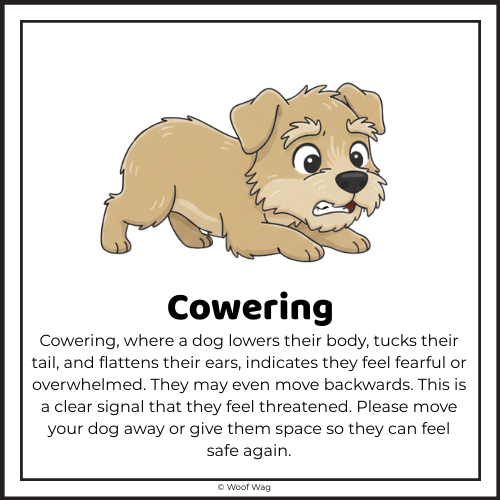
Hider: ‘A dog is standing behind its owner's legs with its tail tucked
between its back legs.’
- Answer:
Give Space. This dog is frightened and forcing it to say hello will make
it more scared.
Group Idea: The ‘Safe Body’ Poster
Ask the children to draw three circles on the back of their
page or on a new sheet, coloured like a traffic light:
- Green
Circle: Draw a dog with a ‘tongue out’ smile. (Caption: ‘I am happy,
please ask to pet me.’)
- Yellow
Circle: Draw a dog looking away or licking its lips. (Caption: ‘I am
worried, please watch me from afar.’)
- Red
Circle: Draw a dog with its hair standing up or showing teeth.
(Caption: ‘I am angry or scared, please stay back.’)

Important Note
Look at the Whole Picture: Don’t just look at one thing! Check their tail, their ears, their eyes, and if their body looks stiff or wiggly. It’s like reading a whole sentence instead of just one word.
Watch the Setting: A dog might act differently in the busy playground than they do at home. Always think about where the dog is and what is happening around them.
Learn Their 'Special Language': Every dog is unique. Spend time just watching how your dog acts when they are happy, tired, or curious. The more you watch, the better you will understand what they are trying to tell you.
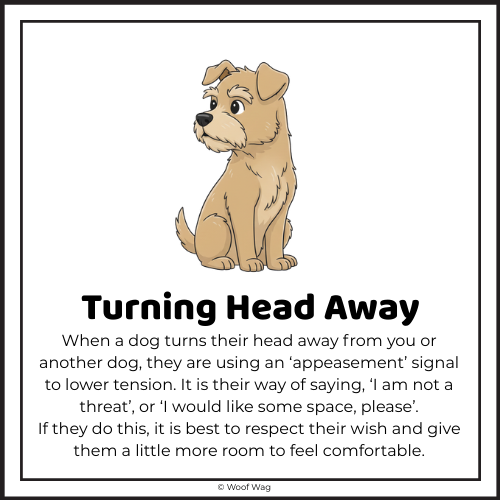
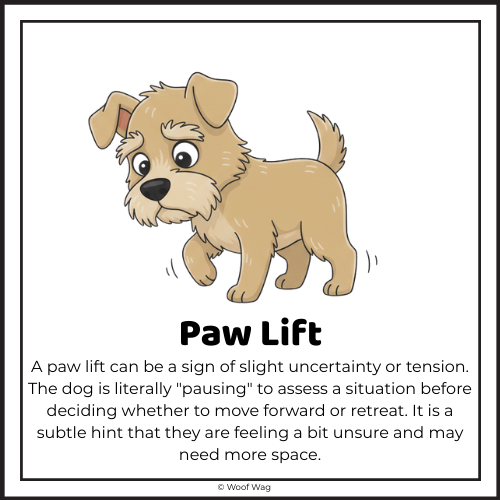
Be a Good Listener: If a dog gives us a 'whisper', like a little paw lift or turning their head away, they are asking for space. If we listen to the quiet signals, the dog doesn't have to use a 'shout' (like growling or barking) to get our attention.
Be a Kind Friend: When we notice how a dog feels, we can be much better friends to them. It keeps us safe and makes sure the dog feels happy and comfortable with us.
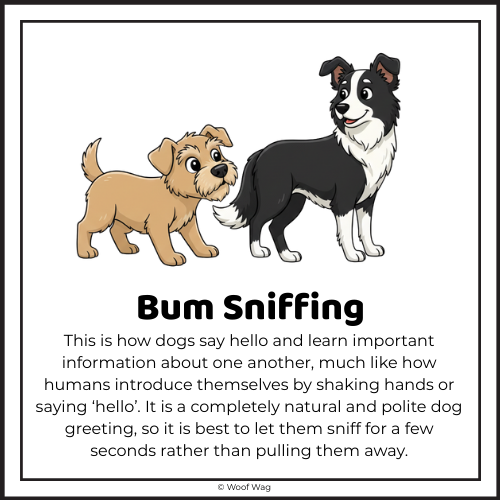
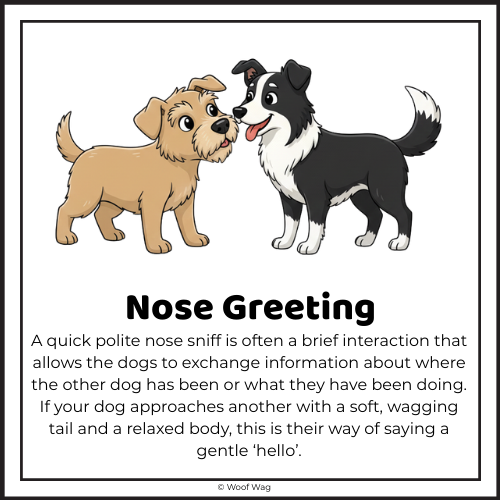
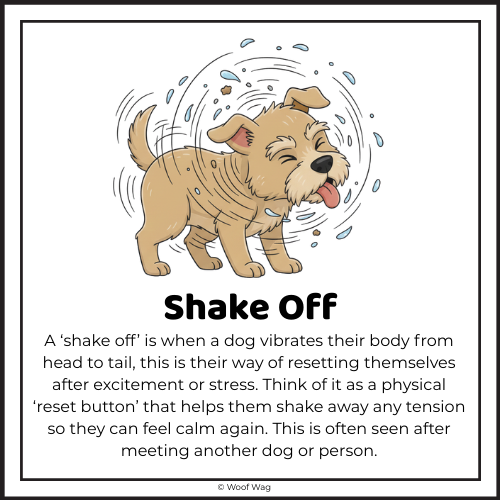
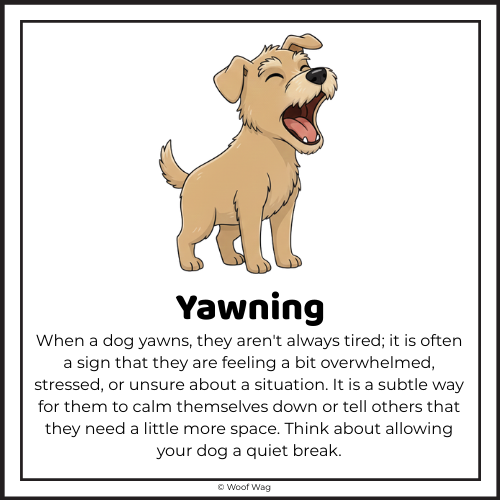
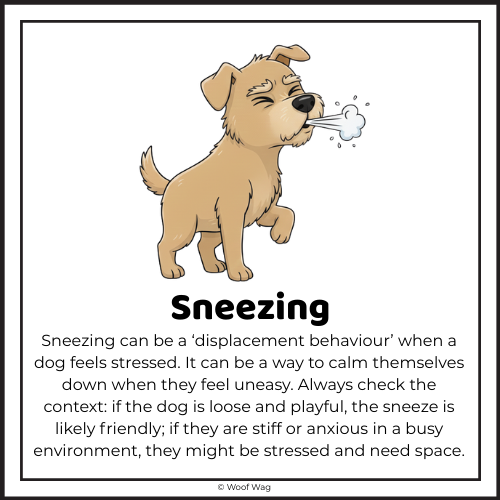
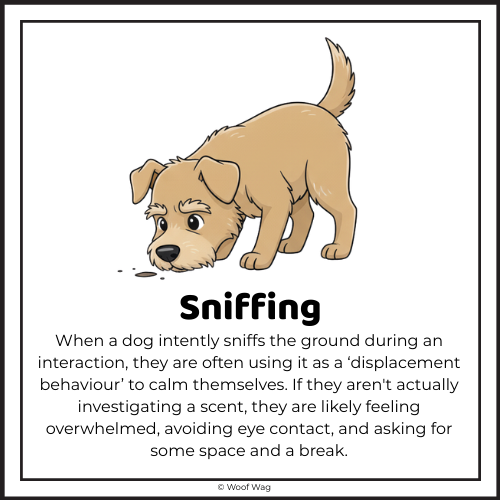
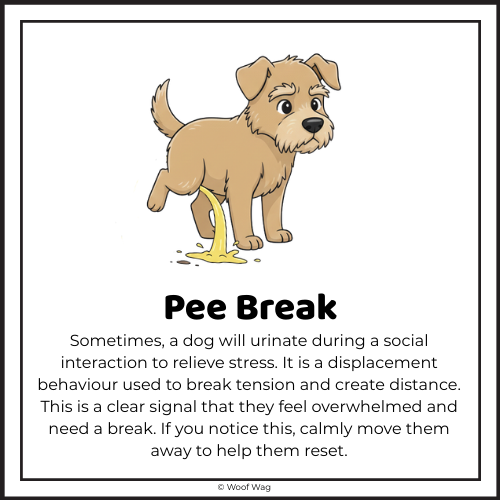
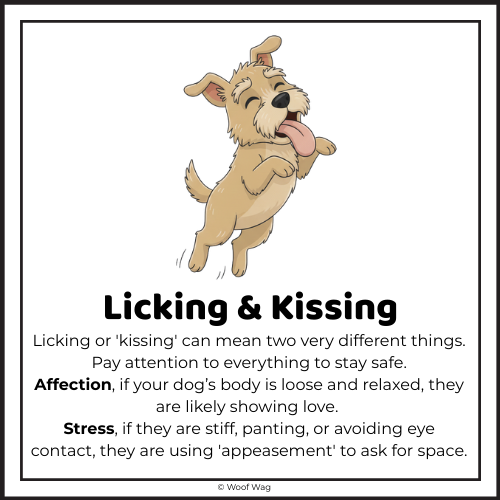
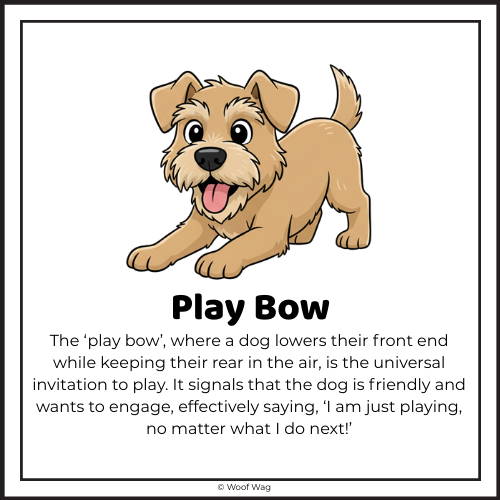
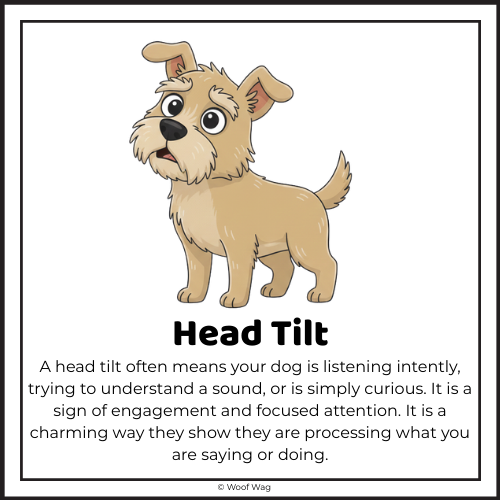
Flash Cards
Why Understanding Dogs Matters
Recognising these cues is vital for safety for these reasons:
Preventing Bites: Most dog bites happen because subtle warnings were missed. Spotting early stress signs, like a paw lift or whale eye, lets you remove the dog from a situation before they feel forced to use aggression to protect themselves.
Building Trust: When you respect a dog’s request for space, they learn you are a reliable partner. This deepens your bond and makes them feel more secure.
Creating Safe Environments: Knowing when your dog is overwhelmed allows you to advocate for them, ensuring they are not forced to cope with situations they find difficult.
Ultimately, learning these signals transforms potentially volatile interactions into calm, positive experiences for both you and your dog.
Downloads
You can either click on each flash card to download that specific image (click image, save to your electronic device, and share/print). Alternatively, if you want all of the Canine Body Language flash cards in one PDF file, click HERE to download.